Introduction
Modern dating has shifted away from traditional, community-mediated courtship to become heavily influenced by mobile applications, social media, and evolving cultural norms. This transition introduces a core tension: individuals must navigate romantic relationships by balancing traditional courtship scripts with modern, technology-mediated environments that did not exist a generation ago.
In the domain of romantic initiation, traditional gender roles remain remarkably durable despite broader social progress towards equality. Studies tracking online dating behavior show that men are far more likely to make the first move, whereas women disproportionately rely on indirect “weak signals” of interest. This persistence is also visible cross-culturally; in surveys of unmarried adults in non-Western contexts, seventy percent of women preferred not to initiate contact, compared to only six percent of men.
Beyond initiation, informal digital communication habits—specifically texting frequency and response timing—have emerged as symbolic indicators of romantic interest and commitment. Because there is little consensus on these rules, texting expectations frequently generate dating-related social anxiety and overthinking. Furthermore, media and influencer exposure can promote highly idealized romantic expectations, creating a gap between media narratives and real-world relationship experiences.
To examine these intersecting forces, a public interest survey has been developed to analyze how demographic variables (age, gender, and relationship status) influence initiation preferences, texting norms, and media ideals. This study aims to bridge gaps in existing literature and provide an integrated empirical account of how young adults negotiate modern dating culture.
Research Objectives
The primary goal of this study is to examine how young adults negotiate the intersection of traditional courtship norms and modern, technology-mediated dating environments. To address this, the study is structured around the following specific research objectives:
- To examine prevailing attitudes toward gender roles in romantic initiation: This objective aims to evaluate expectations around who should make the “first move” and how these preferences vary across different age groups, genders, and relationship statuses.
- To assess the perceived significance of digital communication frequency: This objective investigates how individuals interpret texting frequency and response timing as symbolic markers of romantic interest and commitment in the early stages of a relationship.
- To investigate the influence of media exposure on romantic expectations: This objective evaluates the extent to which media consumption—specifically content from influencers, celebrities, books, and television or film—shapes personal standards and idealized beliefs about romance.
- To analyze the impact of demographic variables on dating attitudes: This objective seeks to identify whether distinct demographic factors (such as age, gender, and relationship status) produce statistically measurable differences in contemporary dating behaviors and perspectives.
- To situate empirical findings within existing sociological and communication theory: This objective aims to place the survey’s results within established academic frameworks regarding dating, technology, and gender, highlighting areas where modern practices deviate from or align with traditional courtship scripts.
Literature Review
- Technology and the Restructuring ofCourtship
The change from meeting one another in person through the community to the meeting in person after being virtually introduced, via dating apps and social media has totally changed the pattern of meeting and communication between romantic partners.
In fact, Sociological research (most importantly Ansari and Klinenberg’s Modern Romance) has shown that romantic activities, formerly bizarre to previous generations, have become a normal occurrence once communication technology became integrated into daily life.
Then again, academics stress that many researchers are considering dating apps as the main subject to study (the algorithms, design of the apps, or how the users modify their profiles), instead of analyzing the way in which offline social norms can continue to be active inside a digital setting.
- The Durability of Traditional Initiation Scripts
Apparently although modern dating apps present a technological novelty, traditional scripts of gender roles still persist and remain a strong element.
As time passed, the evolution of different types of digital platforms was supposed to bring about changes. But, even so, traditional gender-based ways of doing things have not been eradicated:
Direct Messaging vs. “Weak Signals”: research carried on by the Oxford Internet Institute found that gender norms as reflected by the choice to either directly message or not message have continued to remain the same.
Male’s initiating of chats have increased as time progressed per these longitudinal studies. The flip side of this is that studies of behavior done by McGill University have shown that the female group has shown a stronger tendency of using “weak signals” like looking up one’s Facebook profile as a subtle expression of interest without being very proactive due to not feeling confident enough to contact strangers.
Dating Practices: gender rules still dictate who pays for the dates.
This gives women more of a passive, “selector” image, a role they are not very much enjoying.
Cross-Cultural Persistence: the persistence of gender roles has been revealed in cross-cultural data analysis.
Only about six percent of single Indian men express hesitation to be the one to make a move first, while around seventy percent of single Indian women say they prefer not to be the one who makes the first gesture.
- Digital Communication and the Significance of Texting
Informal digital communication, more exactly texting – number of texts, and how fast or slow people reply – has become the place where people’s intimate relationship gets shaped.
This is very clear in both popular and academic media.
How we text and how we wait for replies are seen now as extremely ritual and rule-bound.
This is why frequency of texting has, at a symbolic level, become a measure of the partner’s level of romantic interest and commitment, and this way it brings to light that the habits we get through everyday phone messaging, without any conscious thought are mostly, sources of social anxiety of modern dating.
- Media, Celebrity Culture, and Romantic Expectations
When it comes to explaining how media exposure affects the things that people think they deserve in relationships, the researchers talk about the concept “parasocial relationship” which was first mentioned by Horton and Wohl in 1950s who described how one could be affected in a way which feels like a personal encounter when a person is watching a performer in a TV show or listening to a record
Idealized Beliefs: in their youth, getting emotionally attached to popular culture characters stars books and television series, is a big step towards having romantic ideals that are very unrealistic.
Real-World Dissatisfaction: These standards, being a result of media influence, are usually linked with poor interpersonal relationship satisfaction and unfavourable perceptions toward real-life dating partners.
Perceived Transgressions: Existing beliefs and ideas formed by idealizing the relationship dynamics also affect how the public evaluates and judges real-life situations like infidelity involving celebrities.
Methodology
Research Design
This study utilizes a quantitative, survey-based research design to examine public awareness, opinions, and perceptions regarding modern dating culture
[1]. The survey was developed and administered under the auspices of the Social Reforms and Research Organization (SRRO) for public interest, social study, and research purposes
Participant Demographics and Sampling
Data was collected from respondents who provided voluntary, confidential responses . To analyze how attitudes toward modern dating are negotiated across different social groups, the survey captured three key independent demographic variables:
- Age Range: Evaluates variations in dating behaviors and beliefs across generational groups .
- Gender: Captures differences in relationship expectations and structural roles .
- Relationship Status: Assesses whether an individual’s current relationship standing correlates with distinct dating attitudes .
DATA ANALYSIS
Here’s what the responses show, broken down and interpreted against the three variables your dissertation is built around.
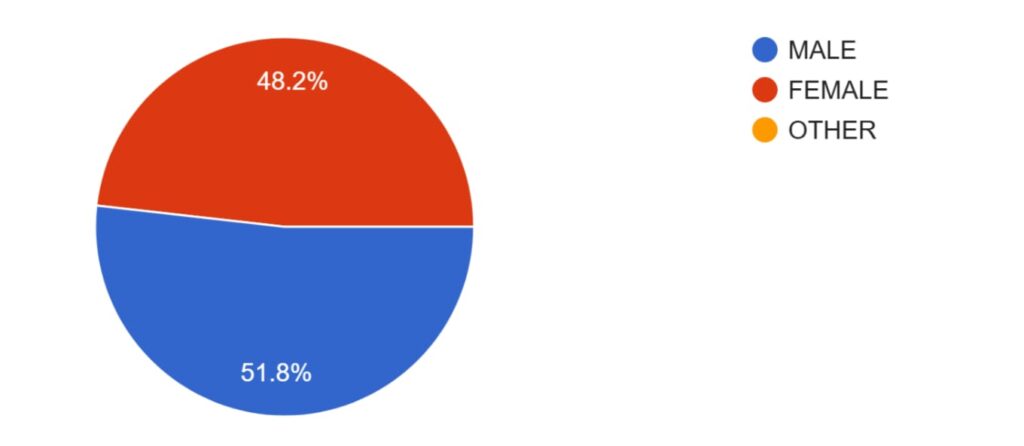
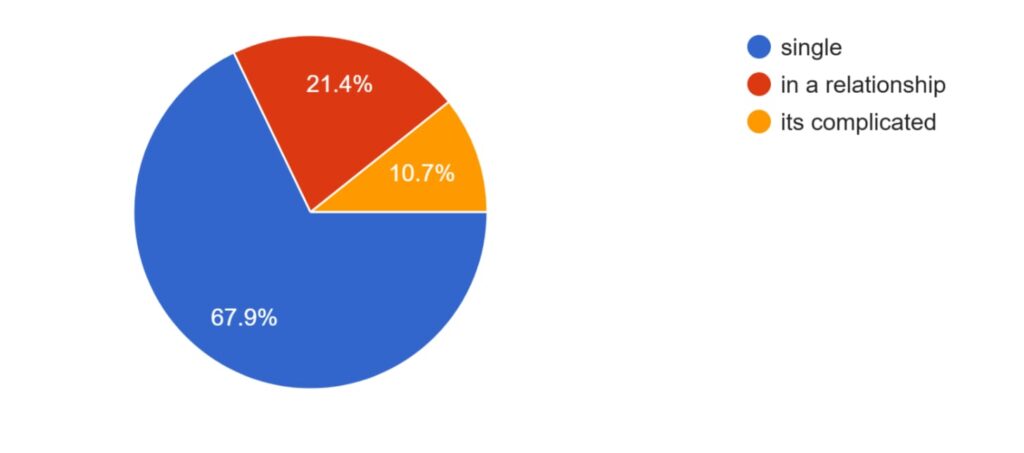
Sample profile: Skews young and roughly gender-balanced — 89% are 18–24 (50/56), only 6 respondents are older; 29 male, 27 female; mostly single (38) with 12 in a relationship and 6 “it’s complicated.” One respondent (Payal) submitted twice with different answers a few days apart — worth flagging as a data-cleaning note before you write this into a methods section.
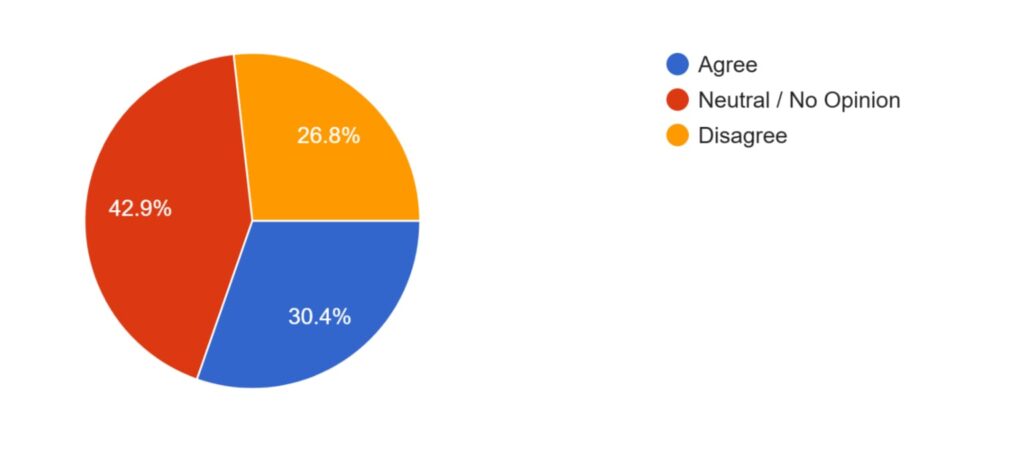
“Men should always make the first move” — Overall: 43% neutral, 30% agree, 27% disagree. So there’s no strong consensus either way, but the neutral plurality itself is telling — it suggests most respondents don’t hold this as a firm rule, more a “depends on the situation” view.
By gender, the split is closer than the literature you cited earlier would predict: 35% of men agree men should always initiate vs. only 26% of women. If anything, men in your sample are more attached to the traditional-initiator norm than women are — which actually inverts the common assumption that women are the ones “waiting” and men are chafing against it. This is a genuinely interesting point of tension with the Oxford/McGill findings from your literature review, which were about behavior (who actually messages first), not belief (who should). Your survey captures attitude, not behavior — worth being explicit about that distinction in your analysis chapter.
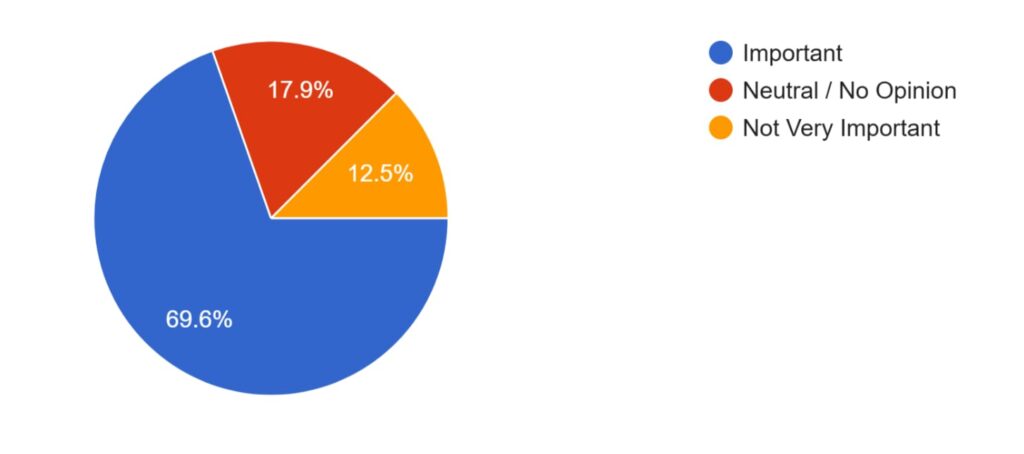
Texting frequency importance — This is your strongest, cleanest signal: 70% overall say it’s important, and this holds up across every subgroup (78% of women, 62% of men; 75% of those in a relationship, 66% of singles). Texting frequency reads as close to a universal norm in your sample rather than something that splits along gender or relationship-status lines — which fits the “communication as informal currency of commitment” argument from your literature review.
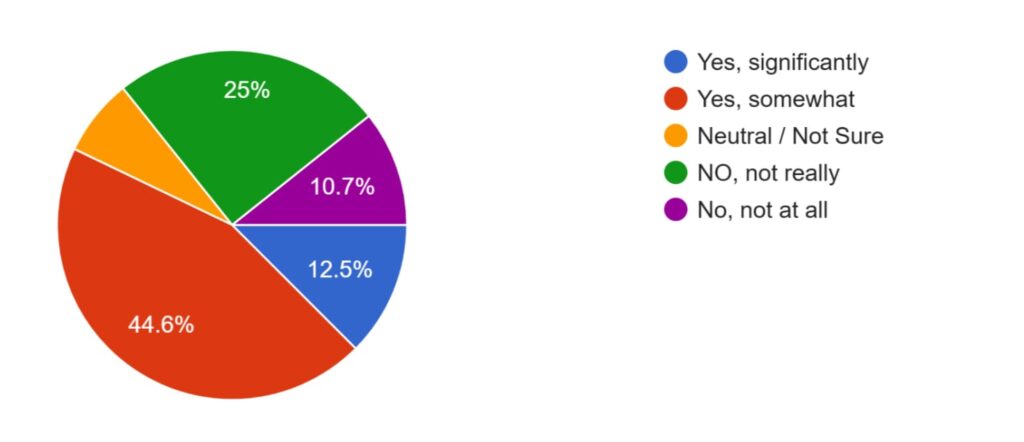
. Media/celebrity influence on dating expectations — 57% say media has shaped their expectations to some degree (12.5% “significantly,” 45% “somewhat”), 36% say it hasn’t, and 7% are unsure. Here gender does diverge meaningfully: 67% of women report some media influence vs. 48% of men, and women are notably more likely to say “significantly” (18.5% vs 6.9% of men). This is the one place your data cleanly echoes the parasocial-relationship literature, which found media/celebrity-driven romantic idealization skewing more strongly female in several of the studies I found.
CONCLUSION
In summary, this study contributes an integrated empirical account of contemporary dating. It demonstrates that the transition from traditional to modern courtship is neither a clean break from the past nor a simple digitization of legacy gender scripts. Instead, young adults navigate an uneven landscape where digital etiquette has rapidly solidified, while traditional initiation scripts soften in attitude even as they are continuously shaped by idealized media portrayals

Written By- Vanshika Jaiswal
Survey & Research Intern at SRRO
“SRRO works as an implementation partner for CSR and social impact projects”