Introduction-
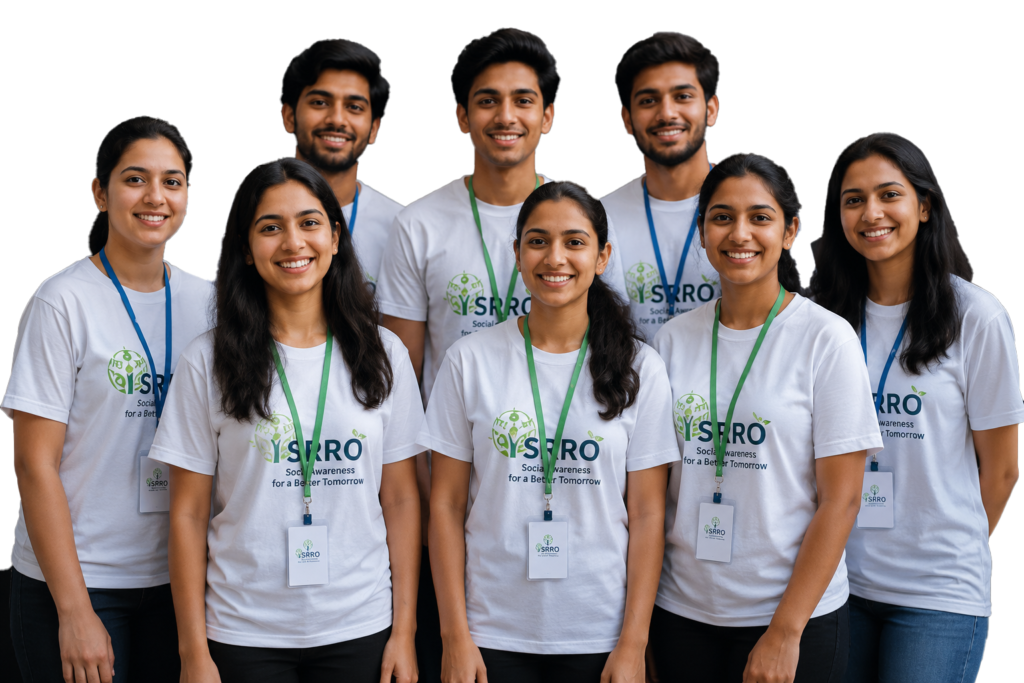
The foundation of a prosperous nation lies in the health and wellbeing of its citizens. However, in many developing regions, basic health literacy and hygiene practices remain a significant challenge. To bridge this gap, the Social Reforms and Research Organization (SRRO) has launched a comprehensive Health & Hygiene Awareness Campaign. This initiative is designed not just to provide information, but to transform habits and build resilient, healthy communities.
The Vital Importance of Health and Hygiene
To understand the impact of this campaign, we must first recognize why hygiene is the first line of defense against disease. Poor sanitation and lack of clean water are leading causes of preventable illnesses such as cholera, typhoid, and various respiratory infections.
Furthermore, hygiene is not merely a personal choice; it is a collective responsibility. When one individual practices good hygiene, they protect those around them from the spread of germs. This “community immunity” is essential in densely populated areas where viruses can travel rapidly. Therefore, SRRO’s mission begins with education—helping people understand the “why” behind the “what.”
Key Pillars of the SRRO Campaign-
The Health & Hygiene Awareness Campaign is built upon several strategic pillars. Each pillar focuses on a specific area of intervention to ensure no aspect of community health is overlooked.
1. Personal Hygiene and Handwashing
Handwashing is perhaps the simplest yet most effective way to prevent infection. In addition to reducing the risk of gastrointestinal diseases, regular handwashing with soap can significantly lower the incidence of pneumonia.
SRRO volunteers conduct live demonstrations in schools and community centers. These sessions emphasize the six steps of handwashing recommended by health experts. Consequently, children and adults alike learn that a quick splash of water is not enough; friction and soap are necessary to eliminate pathogens effectively.
2. Menstrual Hygiene Management (MHM)
In many parts of the world, menstruation is still shrouded in silence and stigma. This often leads to unsafe practices that can cause long-term reproductive health issues.
Specifically, the SRRO campaign focuses on:
Breaking the Silence: Conducting open workshops to normalize conversations around menstruation.
Safe Products: Distributing biodegradable sanitary napkins and teaching proper disposal methods.
School Attendance: Ensuring that young girls do not miss school due to a lack of facilities or products, thereby protecting their right to education.
3. Sanitation and Waste Management
Hygiene extends beyond the body to the environment. Stagnant water and piled-up garbage are breeding grounds for mosquitoes and bacteria. For instance, outbreaks of Dengue and Malaria are often linked to poor drainage systems.
SRRO collaborates with local authorities to organize “Cleanliness Drives.” During these events, community members are taught how to segregate waste into wet and dry categories. Moreover, the campaign promotes the construction and consistent use of toilets, moving away from the dangerous practice of open defecation.
Empowering the Youth: The “Health Warriors” Program
One of the most innovative aspects of the SRRO initiative is the involvement of students. Since children are the fastest learners and the best influencers within their families, SRRO has formed “Health Warrior” clubs in local schools.
These students are trained to identify unhygienic practices in their neighborhoods. As a result, they become ambassadors of change. Whether it is reminding their parents to wash their hands before meals or teaching their siblings about dental hygiene, these young leaders ensure that the campaign’s message reaches the dinner table.
Strategic Community Outreach-
A blog or a poster is rarely enough to change centuries-old habits. To illustrate, SRRO uses a multi-channel approach to ensure deep penetration of the message:
Street Plays (Nukkad Natak): Using drama and humor to highlight the consequences of poor hygiene.
Door–to–Door Visits: Volunteers speak directly with homemakers, who are often the gatekeepers of family health.
Health Camps: Providing free check-ups and distributing hygiene kits containing soap, toothbrushes, and masks.
Indeed, these face-to-face interactions build trust, making it more likely that community members will adopt the suggested lifestyle changes.
The Role of Nutrition in Hygiene
While washing hands is vital, hygiene also applies to what we consume. SRRO integrates food hygiene into its health sessions. Notably, the campaign teaches the “Clean-Separate-Cook-Chill” method to prevent food poisoning.
Additionally, there is a strong emphasis on clean drinking water. Many households are taught simple, low-cost filtration methods or the importance of boiling water. By linking nutrition with hygiene, SRRO provides a holistic roadmap for physical wellbeing.
Overcoming Challenges and Resistance-
No campaign is without its hurdles. Cultural myths and lack of resources often act as barriers. Nevertheless, SRRO remains committed. When met with resistance, the organization utilizes data and real-life success stories to prove the benefits of hygiene.
For example, by showing a community how the number of sick days has decreased in a neighboring village after they adopted better sanitation, SRRO provides tangible evidence that motivates change. This evidence-based approach turns skeptics into supporters.
Conclusion: A Healthier Tomorrow
In conclusion, the Health & Hygiene Awareness Campaign by SRRO is more than just a series of events; it is a movement toward a more conscious society. By focusing on education, empowerment, and environment, SRRO is laying the groundwork for a future where preventable diseases no longer claim lives.
Ultimately, health is wealth. When a community is healthy, children stay in school, adults remain productive at work, and families can save their hard-earned money instead of spending it on medical bills. Therefore, let us all join hands with SRRO. Whether through volunteering, spreading the word, or simply improving our own hygiene habits, every small action contributes to a larger, healthier whole.
Written By- Shivangi Pandey
“SRRO works as an implementation partner for CSR and social impact projects”